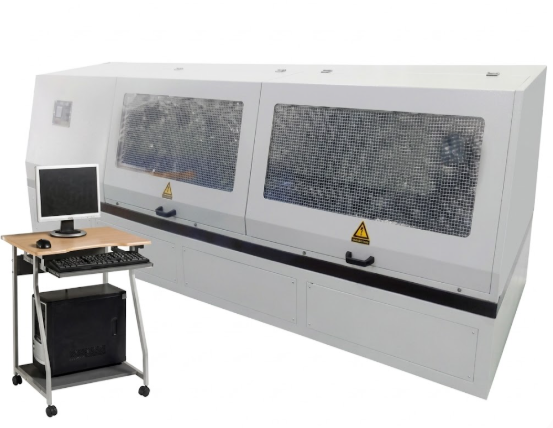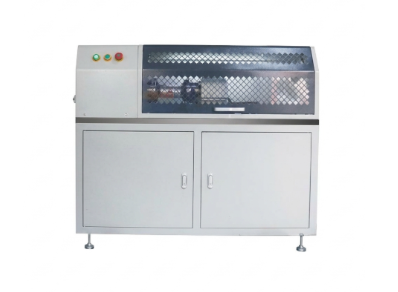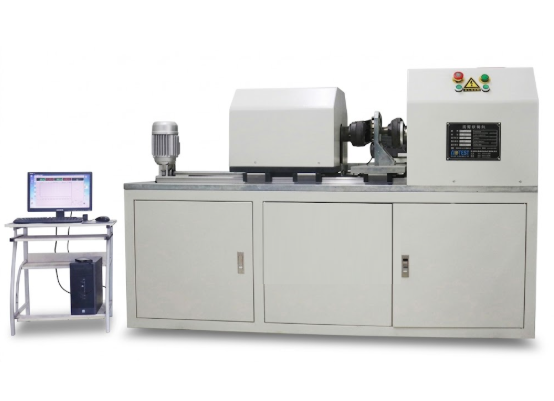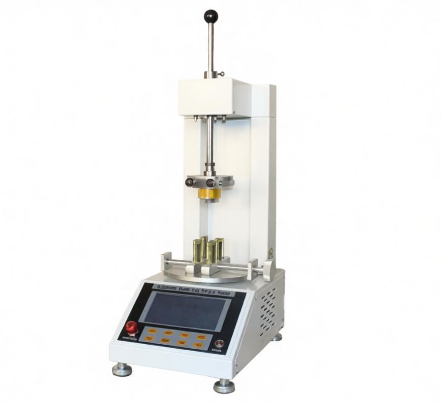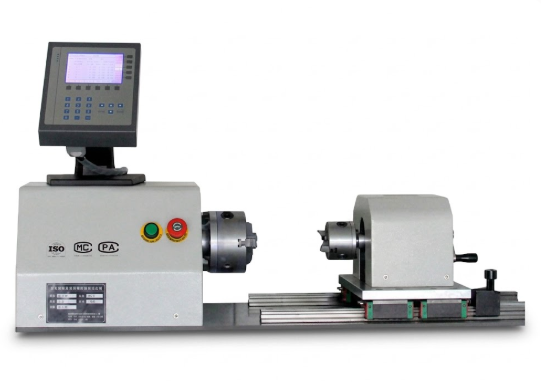
Bone Screw Torsion Testing Machine
Category:Torsion Testing Machine
Introduction
The Bone Screw Torsion Testing Machine is a computer-controlled testing system designed for torsional performance testing of orthopedic implant materials and surgical implants, including metallic bone screws, cannulated bone screws, and other bone fixation devices.
It is mainly used to determine the maximum torque and maximum torsional fracture angle of bone screws with different thread geometries, dimensions, head designs, and drive configurations. The system integrates automatic control and digital data acquisition to provide stable and accurate test results for medical device laboratories and orthopedic implant manufacturers.
Application
The Bone Screw Torsion Testing Machine is suitable for testing:
(1) Metallic bone screws
(2) Cannulated bone screws
(3) Orthopedic bone fixation screws
(4) Bone-joining implants
(5) Intramedullary fixation devices
(6) Other surgical implant components requiring torsional testing
It can accommodate bone screws with different:
Thread designs: deep thread, shallow thread, full thread, and partial thread
Nominal diameters: HA/HB 1.5–8.0 mm
Applications: cortical bone screws, cancellous bone screws, and cannulated screws
Drive types: slotted, Phillips, hex socket, square socket, triangular socket, and Torx-type drives
Head designs: conical and spherical heads
The system can also be configured for torsional research on springs, elastic components, non-metallic materials, composites, fasteners, valves, wrenches, wires, and bonded material structures.

Standards
The supplied product information lists the following standards:
(1) JJG 269-2006 — Verification Regulation for Torsion Testing Machines
(2) YY 0018-2008 — Implants for Surgery — Metallic Bone Screws
(3) YY/T 0662-2008 — Implants for Surgery — Metallic Bone Screws with Asymmetrical Thread and Spherical Under-Surface — Mechanical Requirements and Test Methods
(4) ISO 6475:1989 — Implants for Surgery — Metal Bone Screws with Asymmetrical Thread and Spherical Under-Surface — Mechanical Requirements and Test Methods
(5) ASTM F543-02 — Standard Specification and Test Methods for Metallic Medical Bone Screws
Parameters
| Parameter | Specification |
|---|---|
| Maximum Test Torque | 1 Nm / 10 Nm / 20 Nm / 50 Nm / 100 Nm / 200 Nm |
| Test Stroke | 300 mm |
| Testing Machine Class | Class 0.5 / Class 1 |
| Torque Measurement Range | 1%–100% FS |
| Minimum Torque Reading | 0.01 Nm / 0.1 Nm |
| Angle Resolution | 0.01° |
| Maximum Torsion Angle | 99999° |
| Test Speed | 0.1–720°/min, customizable |
| Relative Angle Indication Error | < ±0.5% |
| Angle Indication Repeatability Error | < 0.5% |
| Relative Test Force Indication Error | < ±0.5% |
| Test Force Indication Repeatability Error | < 0.5% |
| Test Speed Accuracy | Better than ±1% of indication |
| Loading Direction | Bidirectional |
| Torsion Fixture | Three-jaw chuck |
| Power Supply | 220 V, 50 Hz |
| Applicable Specimens | Various bone screws and other threaded components |
Features
(1) Designed for Orthopedic Implants – Specifically configured for torsional testing of metallic bone screws and other orthopedic fixation components.
(2) Maximum Torque and Fracture Angle Testing – Can determine the maximum torque and maximum torsional fracture angle of bone screws.
(3) Wide Screw Configuration Range – Suitable for different thread profiles, nominal diameters, head designs, and drive configurations.
(4) Computer-Controlled Operation – The computer-controlled system integrates test control, data acquisition, processing, and analysis.
(5) Digital Data Acquisition – Test data can be collected and processed digitally for improved test efficiency and traceability.
(6) Bidirectional Loading – Supports torsional loading in both directions.
(7) High-Resolution Angle Measurement – Provides an angle resolution of 0.01° according to the supplied specifications.
(8) Multi-Purpose Testing Platform – With suitable fixtures, the system can also be used for torsional research on springs, composite materials, fasteners, valves, tools, wires, and other components.
If you're ready to take the next step, Leave your message below and we’ll reply soon. 20+ years of manufacturing & export experience, a partner you can trust.