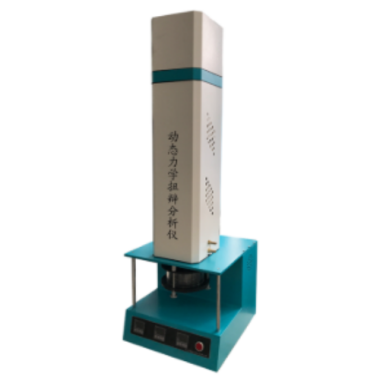
Dynamic Mechanical Torsional Braid Analyzer
Category:Universal Strength Tester
Factory Direct
Stable Performance
Intl. Standards
Tech Support
Fast Delivery
Global Shipping

Introduction
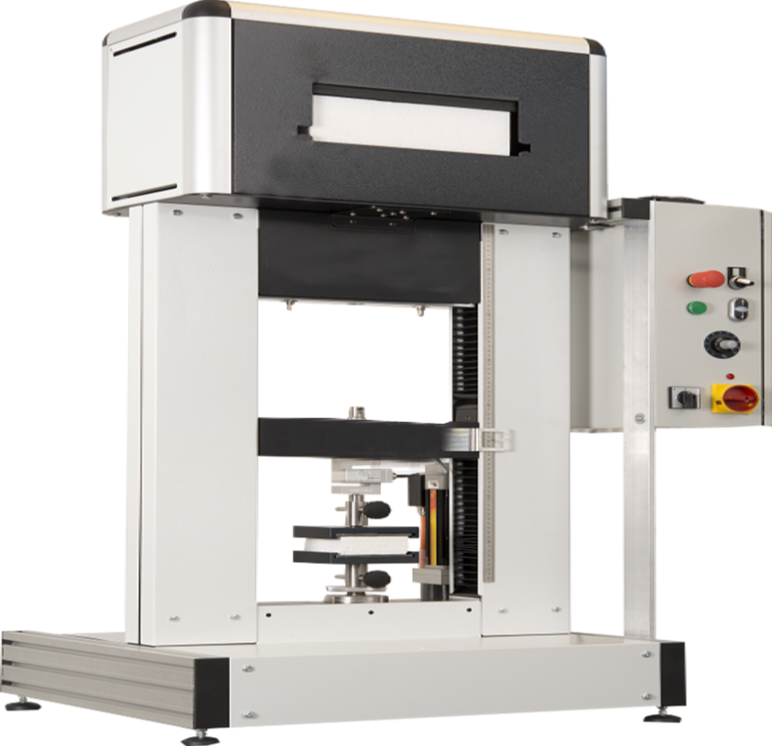
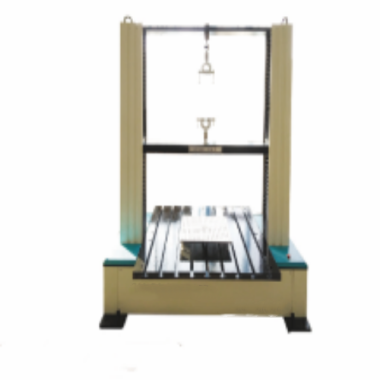
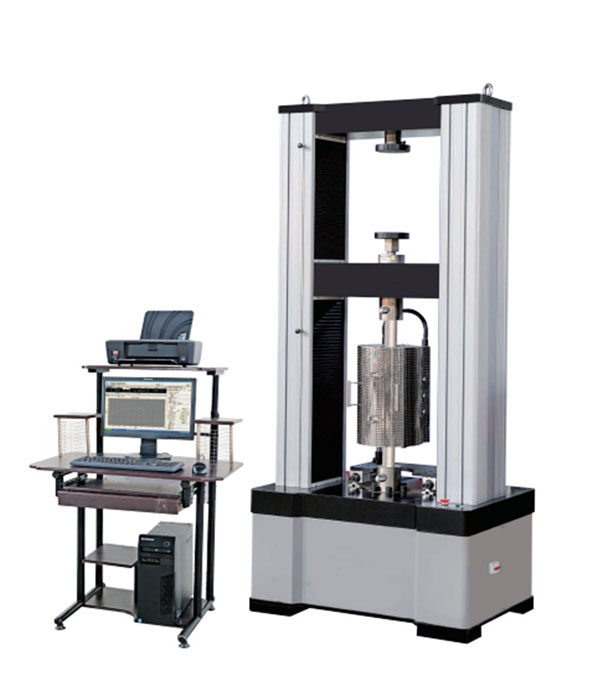
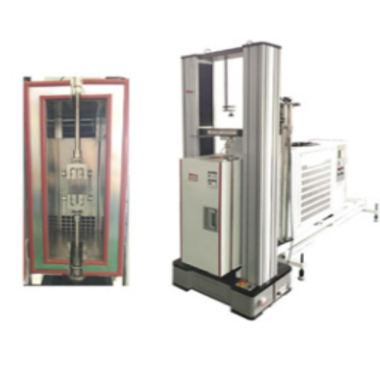
The Dynamic Mechanical Torsional Braid Analyzer (TBA) is a computer-controlled thermomechanical analysis instrument used to characterize the viscoelastic properties of polymer materials through free-decay torsional vibration. Based on torsional braid analysis principles, the system measures dynamic modulus and mechanical loss as functions of temperature, stress, strain, and frequency. The instrument adopts digital measurement, automated control, and high-capacity data processing technology to replace traditional manual torsional braid testing, enabling accurate, sensitive, and repeatable evaluation of material viscoelastic behavior using minimal sample quantities.
Application
(1) Determination of dynamic modulus and mechanical loss of polymer materials under torsional vibration.
(2) Evaluation of viscoelastic behavior of polymers as a function of temperature.
(3) Characterization of glass transition behavior and relaxation processes in polymer systems.
(4) Comparative analysis of different polymer formulations and additives.
(5) Research on thermomechanical properties of elastomers, resins, fibers, and composite materials.
(6) Quality control testing for polymer raw materials and finished products.
(7) Material research and development in academic, industrial, and inspection laboratories.
Standards
(1) HST-BW-500 — Torsional Braid Analysis Method
(2) SN/T 3238.2-2012 — Test Method for Dynamic Mechanical Properties of Polymer Materials by Torsional Braid Analysis
Parameters
| Item | Specification |
|---|---|
| Test temperature range | −120 ℃ to 500 ℃ |
| Constant heating rate | 2 ± 1 ℃/min |
| Time measurement range | 0.01–9999.99 s |
| Relative swing angle | 30°–60° |
| Measurement display parameters | θ, P, △, G′, 1/P² |
| Equipment dimensions (L × W × H) | 340 × 500 × 1100 mm |
| Packed dimensions | 450 × 600 × 1350 mm |
| Equipment weight | 33 kg |
| Packed weight | 55 kg |
| Power supply | AC 220 V |
Features
(1) Free-decay torsional vibration testing principle with high sensitivity.
(2) Minimal sample requirement compared with other dynamic mechanical analysis methods.
(3) Wide temperature testing range suitable for low- and high-temperature material evaluation.
(4) Computer-controlled digital measurement and automated data acquisition.
(5) Real-time calculation and display of viscoelastic parameters.
(6) Integrated data storage and processing system reducing manual operation.
(7) Stable mechanical structure ensuring repeatable test results.
Accessories
(1) Torsional braid fixture set.
(2) Temperature control and sensing components.
(3) Data acquisition and control software.
(4) Standard calibration and mounting tools.
FAQ
1. What is the primary purpose of the Dynamic Mechanical Torsional Braid Analyzer?
Answer: This instrument is designed to measure the torsional properties of fibers, yarns, and braided materials. It can evaluate:
Torsional stiffness
Elastic recovery
Damping behavior
Dynamic mechanical response under varying frequencies and temperatures
It is widely used in textile research, composite materials development, and quality control of high-performance yarns.
2. What types of samples can be tested?
Answer: The analyzer accommodates fibers, yarns, and braided structures. Typical requirements include:
Sample length: tens to hundreds of millimeters
Sample diameter/width: approximately 0.1–5 mm (depending on the fixture)
Sample form: single yarn, multi-ply yarn, or braided configuration
Fixtures and tension settings can be adjusted to match the sample’s physical properties.
3. What dynamic testing capabilities does the instrument offer?
Answer: The instrument can perform:
Torsional angle scans: Measures mechanical response at different twist angles
Frequency scans: Evaluates modulus and damping at varying vibration frequencies
Temperature scans (on certain models): Assesses the influence of temperature on torsional behavior
These tests provide data on torsional modulus, storage modulus, and loss modulus.
4. How can I ensure accurate test results?
Answer: Accuracy can be maintained by:
Preparing samples carefully to avoid defects
Using appropriate fixtures and tension settings
Regularly calibrating torque sensors and angle measurement systems
Controlling environmental conditions, such as temperature and humidity
Repeated testing and statistical analysis improve data reliability.
5. In which industries or applications is this analyzer commonly used?
Answer: Common applications include:
Textile industry: Evaluating yarns and braided fabric torsion performance
Composite materials: Studying fiber bundle behavior in composites
High-performance cables and ropes: Aerospace, marine, and industrial uses
Scientific research: Investigating torsional and dynamic mechanical properties of materials
If you're ready to take the next step, Leave your message below and we'll reply soon. 20+ years of manufacturing & export experience, a partner you can trust.