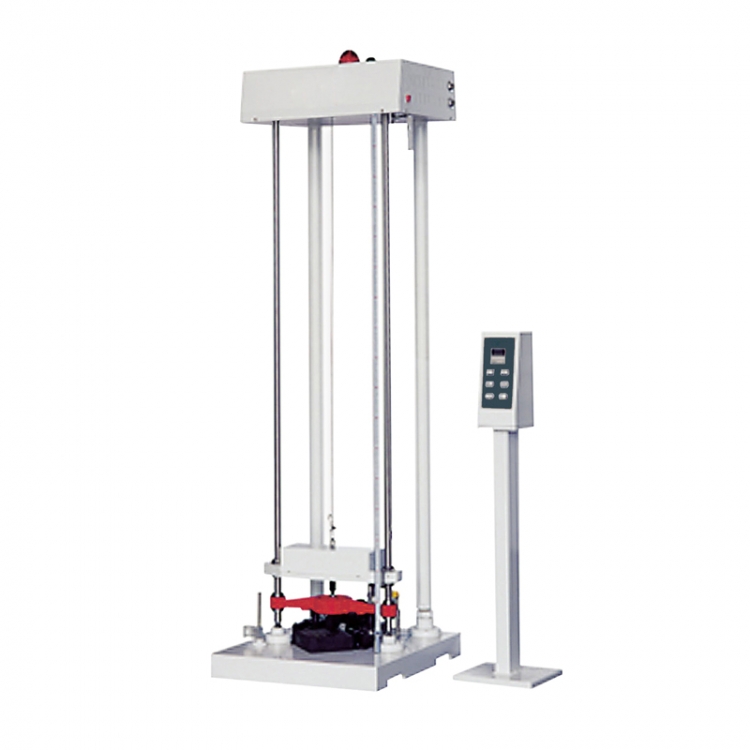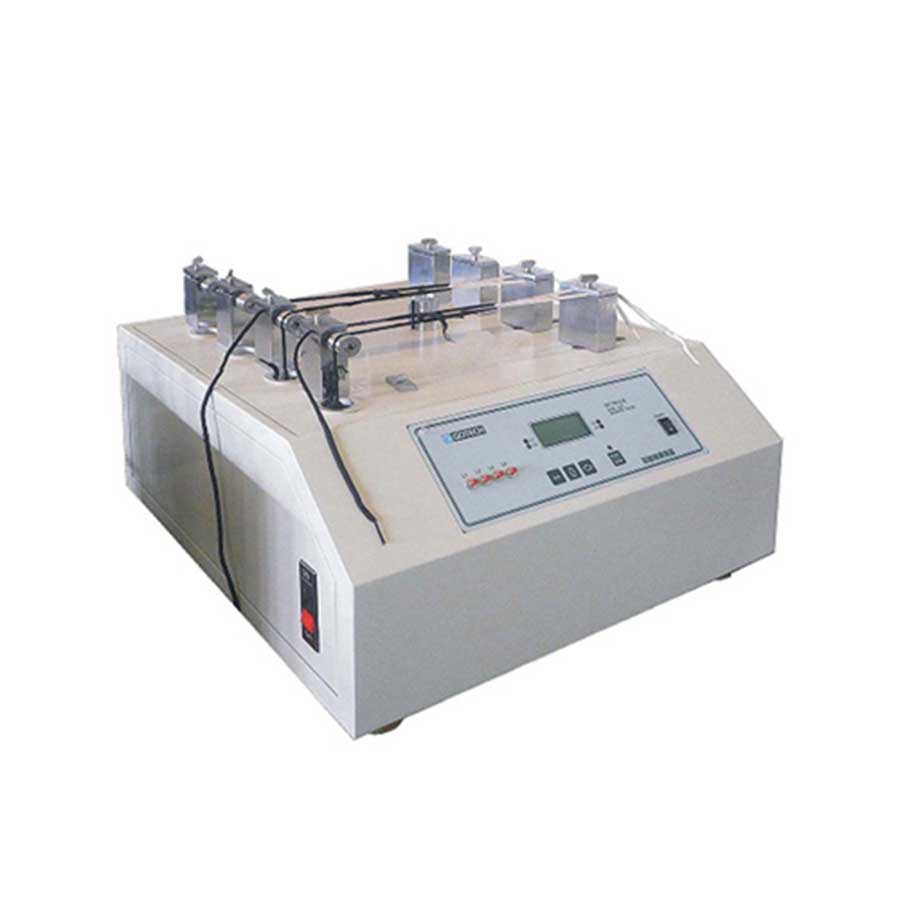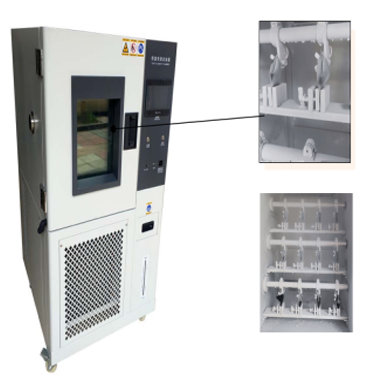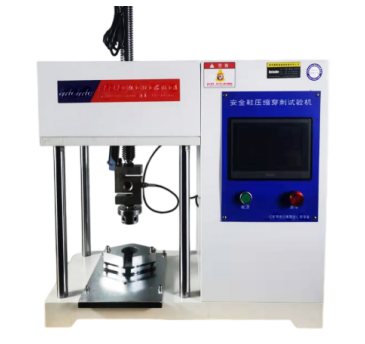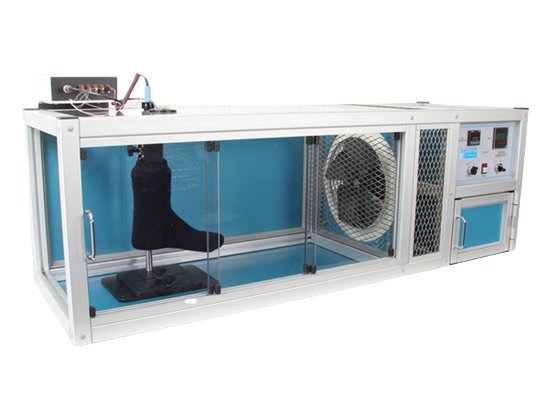
Footwear Breathability and Thermal Insulation Tester
Category:Footwear Strength Tester
Factory Direct
Stable Performance
Intl. Standards
Tech Support
Fast Delivery
Global Shipping

Introduction
Complete Footwear Breathability and Thermal Insulation Tester is a laboratory device designed to evaluate the air permeability and heat retention performance of finished shoes. It measures how well footwear allows air to pass through (breathability) and how effectively it insulates against heat (thermal insulation), helping manufacturers ensure comfort, safety, and performance under various environmental conditions.
Applications
The Complete Footwear Breathability and Thermal Insulation Tester is primarily used to evaluate the breathability and thermal insulation performance of shoes. By simulating the conditions of the human foot in different environments, the device measures the airflow rate through the shoe and its heat retention under specific conditions, helping manufacturers and designers understand product performance and optimize design.
(1)Evaluating Shoe Breathability:
Breathability is a key factor affecting footwear comfort. By measuring the airflow rate under a specified pressure differential, the tester evaluates the shoe’s breathability, ensuring adequate air circulation and reducing foot dampness and heat accumulation.
(2) Evaluating Shoe Thermal Insulation:
Thermal insulation is critical for keeping feet warm in cold environments. The tester measures thermal resistance and moisture resistance at a set temperature, assessing the shoe’s ability to block cold air and maintain foot warmth.
(3)Quality Control:
During production, the device can test the manufacturing quality of footwear to ensure compliance with design specifications and quality standards. By comparing breathability and insulation across batches or suppliers, potential quality issues can be detected and addressed.
(4)Product Development:
During R&D, the tester evaluates how different materials, structures, and designs affect breathability and thermal insulation. This helps designers optimize footwear for improved comfort and heat retention.
Standards
Testing with the Complete Footwear Breathability and Thermal Insulation Tester should follow relevant industry standards to ensure accuracy and comparability. Common standards include:
(1)GB/T 33393-2023:
Developed by the National Footwear Standardization Technical Committee, effective July 1. 2024. This standard replaces GB/T 33393-2016 and provides guidelines for heat and moisture comfort of footwear, detailing test methods, equipment, and conditions for breathability and thermal insulation.
(2)SATRA Standards:
SATRA (Shoe and Allied Trades Research Association, UK) provides relevant standards for evaluating footwear comfort, including:
SATRA TM 376: Sweat Management Test
SATRA TM 386: Whole Shoe Thermal Insulation Test
SATRA TM 436: Thermal Resistance and Cold Resistance of Whole Shoes
These provide key references for testing footwear breathability and insulation.
Testers should select appropriate standards based on product characteristics and intended use, strictly following prescribed methods and conditions. Regular calibration and maintenance of the tester are essential to ensure accurate and reliable results.
Features
Measures both breathability and thermal insulation of complete footwear.
Equipped with precise temperature and humidity control.
Allows testing under simulated real-life wearing conditions.
Digital display for easy monitoring of test parameters.
Adjustable sample holders to accommodate different footwear sizes.
Stable and reproducible test results for reliable comparison.
Compact and durable design suitable for laboratory environments.
Accessories
(1)Sample holders for different shoe sizes and types.
(2)Temperature and humidity sensors for precise measurement.
(3)Data logging system or interface for computer connection.
(4)Protective covers or enclosures for safety during testing.
Maintenance Information
Regularly clean sensors and sample holders to prevent residue buildup.
Check electrical connections and calibrate sensors periodically.
Inspect moving parts and lubrication if required.
Store in a dry, dust-free environment to ensure longevity.
FAQ
1. What is the main purpose of this tester?
It evaluates the breathability and thermal insulation performance of finished shoes by simulating foot conditions in different environments.
2. What types of footwear can be tested?
The tester is suitable for all kinds of shoes, including safety shoes, sports shoes, work boots, and casual footwear.
3. How does the testing process work?
The device measures airflow rate under a pressure differential to assess breathability and thermal resistance at a set temperature to assess insulation.
4. Which standards does it comply with?
It can be used according to GB/T 33393-2023. SATRA TM 376. TM 386. TM 436. and other relevant international footwear testing standards.
5. Who typically uses this equipment?
It is used by footwear manufacturers, R&D teams, and quality control laboratories to optimize design, ensure product comfort, and meet regulatory standards.
If you're ready to take the next step, Leave your message below and we'll reply soon. 20+ years of manufacturing & export experience, a partner you can trust.