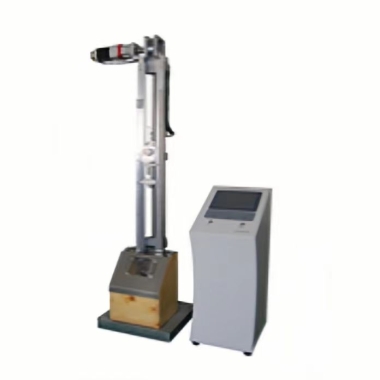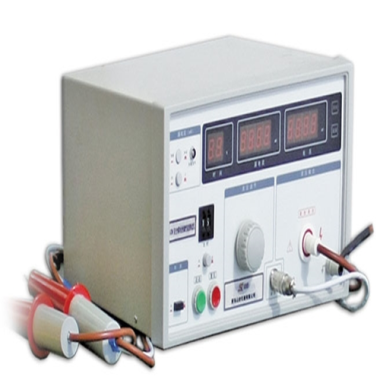
Helmet Electrical Insulation Testing Machine
Category:Other
Factory Direct
Stable Performance
Intl. Standards
Tech Support
Fast Delivery
Global Shipping
Introduction
The Safety Helmet Electrical Insulation Tester is designed to assess the electrical insulation performance of safety helmets. It offers a high degree of automation, precise measurement, and ease of operation, making it suitable for helmet manufacturers, quality inspection laboratories, and safety testing facilities. The device ensures that helmets provide effective protection against electrical hazards.
Application
The tester is widely used for:
(1) Safety Helmet Manufacturers: Verifying insulation performance during production to ensure compliance with safety standards.
(2) Quality Inspection Laboratories: Conducting routine testing for certification or quality control purposes.
(3) Research and Development: Assessing new helmet designs and materials for electrical safety performance.
Specific products tested include: industrial safety helmets, construction helmets, electrical hazard helmets, mining helmets, and high-voltage protective headgear.
Standards
The instrument complies with the following national and international standards:
(1) GB/T 2812-2006 – Safety helmet test method
(2) GB/T 2811-2007 – Safety helmet specifications
Technical Parameters
| Parameter | Specification |
|---|---|
| Current Measurement Error | ±1% |
| Voltage Measurement Error | ±1% |
| Timer Error | ±1% |
| Probe Diameter | 4 mm, hemispherical top |
| Voltage Application | Increase to 1200V ±25V within 1 min, maintain for 15 s |
| Voltage Regulator Range | Up to 1500 V |
| Display | LED digital display for current and voltage |
| Test Medium | Plastic sink or water bath system |
| Automation | High degree of automation for test procedure |
Features
(1) Critical Safety Measurement: Quantifies electrical insulation performance to ensure wearer protection.
(2) High Automation: Automated voltage application and measurement for consistent, efficient testing.
(3) Objective Readouts: LED digital display provides accurate current and voltage readings.
(4) Plastic Sink System: Eliminates conductivity issues from metal sinks, ensuring precise results.
(5) Configurable Test Head: Adjustable electrodes to accommodate different helmet shapes and sizes.
(6) High-Voltage Control: Voltage can be increased up to 1200V ±25V within 1 minute and maintained for 15 seconds.
(7) Safety Design: Operator protection included during high-voltage testing.
Accessories
(1) Electrical insulation test head – configurable according to customer requirements
(2) Power cable – 1 set
(3) User manual – 1 copy
Maintenance Information
(1) Keep the plastic sink clean and free from contaminants.
(2) Inspect electrodes for wear or damage before each test.
(3) Ensure the LED display and electrical connections are functioning properly.
(4) Calibrate the voltage and current measurement system periodically.
(5) Store the tester in a dry, dust-free environment to ensure consistent performance.
FAQ
1. What is a Safety Helmet Electrical Insulation Tester?
This device evaluates the electrical insulation performance of helmets, ensuring they protect the wearer from electric shock in high-voltage or electrically hazardous environments.
2. How does the electrical insulation test work?
The helmet is subjected to a high-voltage source under controlled conditions. The tester measures leakage current and dielectric breakdown to determine the helmet’s insulating capability.
3. What types of helmets can be tested?
It can test industrial safety helmets, construction helmets, and specialized helmets used in electrical work that require compliance with electrical insulation standards.
4. What parameters are measured during testing?
The tester measures voltage withstand capacity, leakage current, dielectric strength, and sometimes insulation resistance. Data is recorded for quality assurance and compliance verification.
5. Why is electrical insulation testing important?
Testing ensures helmets provide reliable protection against electric shocks, preventing injuries or fatalities for workers in electrical environments. It helps manufacturers comply with standards such as EN 50365. ASTM F1506. or IEC regulations.
If you're ready to take the next step, Leave your message below and we'll reply soon. 20+ years of manufacturing & export experience, a partner you can trust.