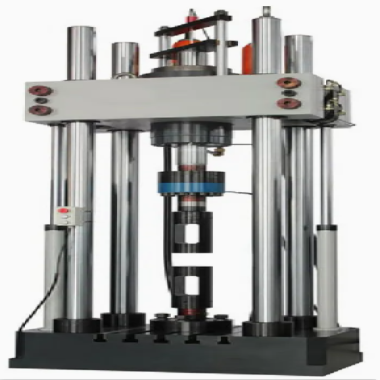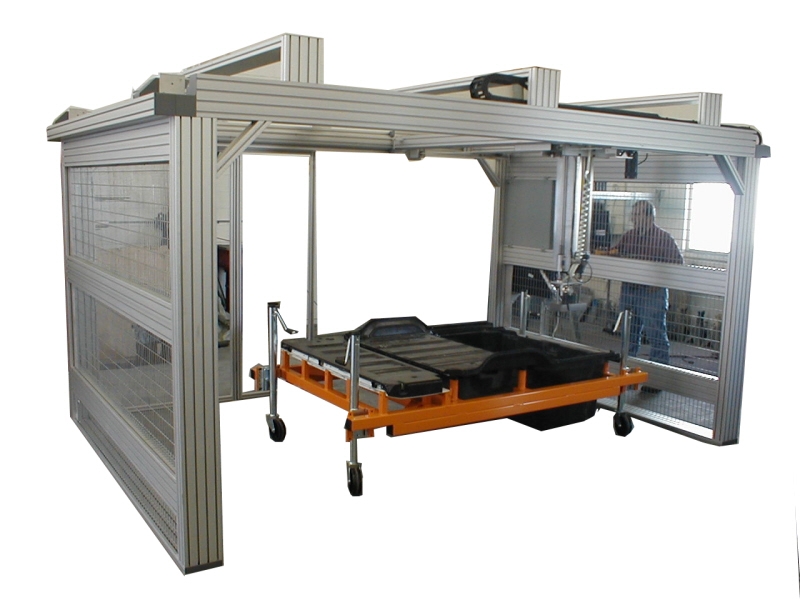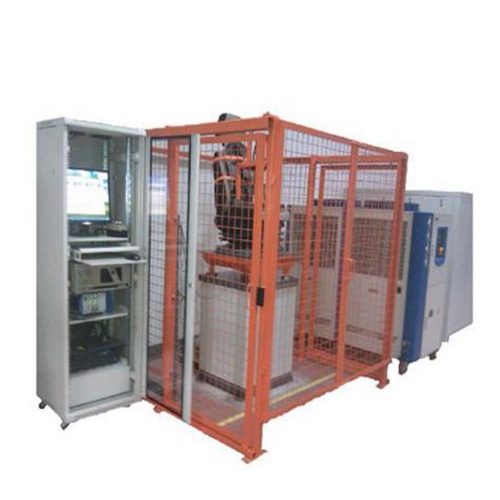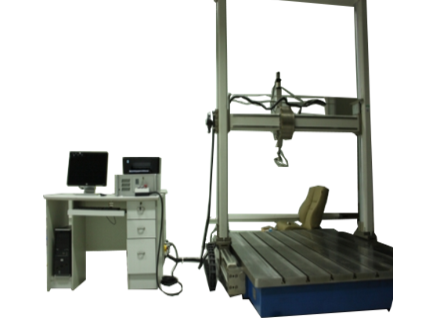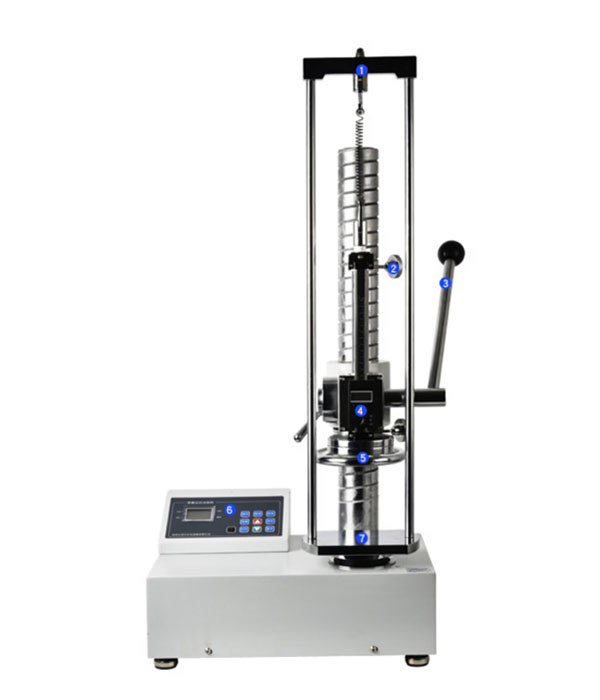
Spring Tension and Compression Testing Machine
Category:Static & Dynamic Load
Factory Direct
Stable Performance
Intl. Standards
Tech Support
Fast Delivery
Global Shipping

Introduction
The Spring Tension and Compression Testing Machine is designed to accurately evaluate the tensile and compressive deformation, as well as the load characteristics of springs and other elastic devices. With precise control of load, deformation, and displacement, the instrument ensures high-precision measurements. It is suitable for testing springs, rubber components, reeds, and other elastic elements under specified working lengths, providing critical data for quality control, research, and development.
Application
(1) Testing tensile and compressive characteristics of metal springs.
(2) Measuring the deformation and load properties of rubber components.
(3) Evaluating reed and other elastic device performance.
(4) Quality control in spring manufacturing.
(5) Verification of spring performance in automotive suspension systems.
(6) Aerospace component testing to ensure resistance to extreme forces.
(7) Medical device spring testing to meet safety and performance standards.
(8) Product development and design optimization for elastic devices.
(9) Ensuring consistent spring performance in mass production.
Standards
(1) ISO 10243 – Metallic springs – Spring testing methods.
(2) EN 13597 – Springs – Determination of tensile and compression properties.
(3) JB/T 7796-1995, JB/T 7796-2005 – Spring tensile testing machine test methods.
(4) GB/T 13634 – Calibration of dynamometers for testing machines.
(5) JIS B7738-1993 – Spiral spring pressure and tension testing machine.
Parameters
| Parameter | Specification |
|---|---|
| Force measurement range | 1%–100% FS |
| Test speed | 0.5–500 mm/min |
| Displacement stroke | 170 mm |
| Spring free length | 170 mm |
| Disc diameter | 50 mm |
| Measurement units | N, kgf, lbf, ozf |
| Power supply | AC 220V ±10%, 50Hz |
| Operating temperature | 20 ±10℃ |
| Transport temperature | -27℃ to +70℃ |
Features
(1) Accurate Measurement: High-precision force and displacement measurement.
(2) Versatile Force Range: Supports 1%–100% of full scale.
(3) Adjustable Test Speed: 0.5–500 mm/min to accommodate various spring types.
(4) Comprehensive Displacement Control: 170 mm stroke for standard spring sizes.
(5) Multi-Unit Measurement: Supports N, kgf, lbf, and ozf.
(6) Quality Assurance: Enables rigorous testing for production quality control.
(7) Design Support: Provides critical data for R&D and product optimization.
(8) Wide Industry Application: Suitable for automotive, aerospace, medical, and general industrial springs.
Accessories
(1) Host machine
(2) Load cells and fixtures
(3) Clamps for tensile and compression testing
(4) Control panel and display interface
(5) Power supply cable
(6) User manual
Maintenance Information
(1) Regularly inspect fixtures, load cells, and moving components for wear or damage.
(2) Lubricate guide rails and mechanical parts as recommended by the manufacturer.
(3) Clean the testing area and components after each test to remove debris.
(4) Check electrical connections and control systems periodically to ensure safety.
(5) Store the machine in a clean, dry environment when not in use.
(6) Follow operational safety procedures to prevent injury during testing.
FAQ
1. What is the primary purpose of these testers?
They measure the mechanical properties of springs, including compression, tension, load, deflection, and fatigue performance.
2. Which types of springs can be tested using these machines?
The testers are suitable for compression springs, tension springs, torsion springs, and wire forms used in automotive, aerospace, electronics, and industrial applications.
3. How do the testers operate?
They apply controlled forces or displacements to springs while recording load, deformation, and cycles, providing stress-strain curves and performance data.
4. Which standards do these testers comply with?
They support international standards such as ASTM A228. ISO 10243. DIN 2088. and relevant industry-specific protocols.
5. Who typically uses this equipment?
Spring manufacturers, quality control laboratories, and R&D teams use them to ensure product durability, optimize designs, and maintain consistent quality.
If you're ready to take the next step, Leave your message below and we'll reply soon. 20+ years of manufacturing & export experience, a partner you can trust.