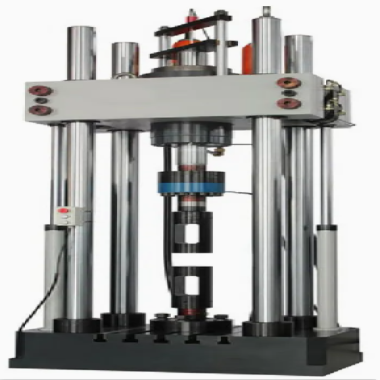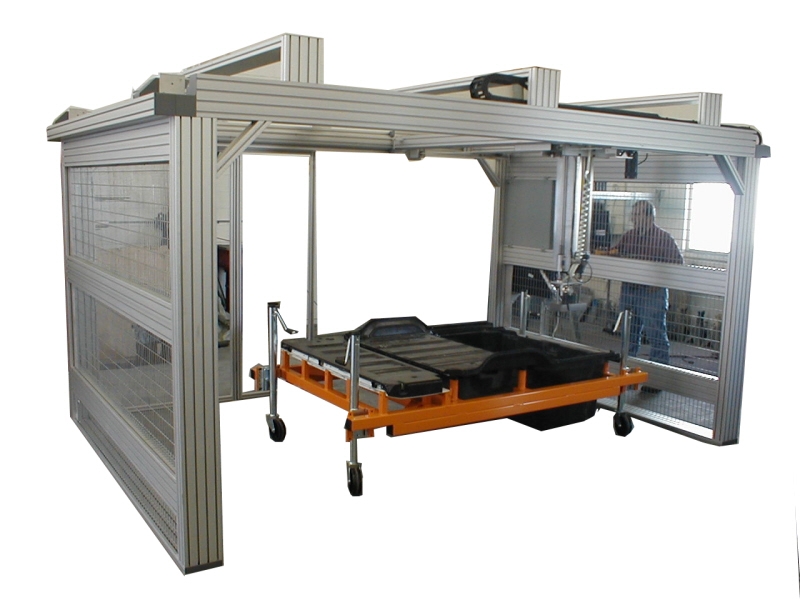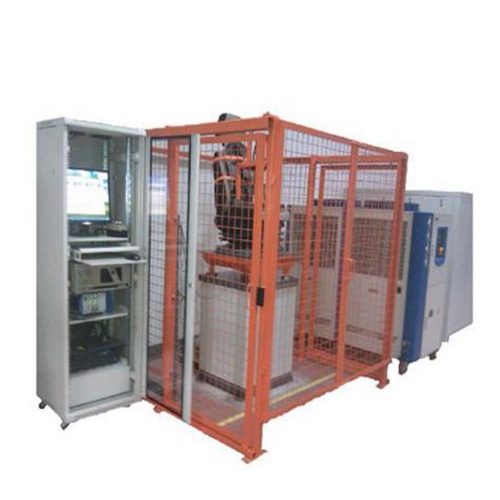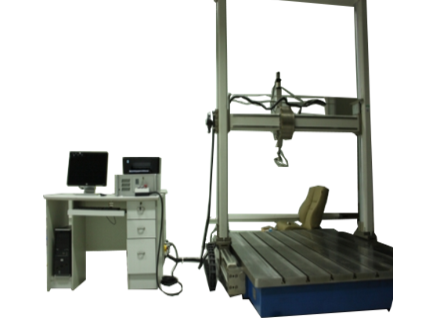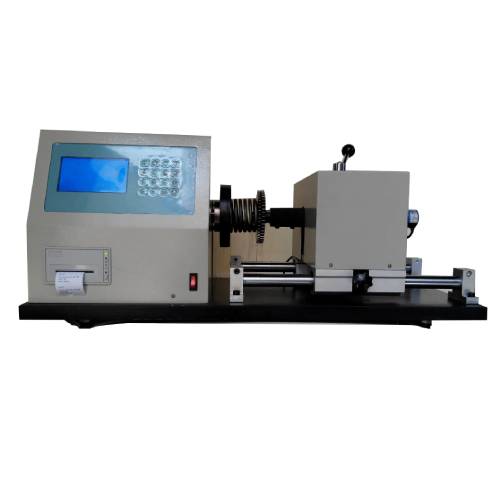
Spring Torsion Testing Machine
Category:Static & Dynamic Load
Factory Direct
Stable Performance
Intl. Standards
Tech Support
Fast Delivery
Global Shipping

Introduction
The Spring Torsion Testing Machine is a specialized device used to evaluate the torsional performance of springs. It measures parameters such as torque, angle of twist, stiffness, and fatigue life under controlled rotational loading, helping engineers assess spring strength, durability, and mechanical behavior for quality control and design verification.
Application
It is used to evaluate the torsional strength, stiffness, and fatigue performance of various types of springs, including coil springs, leaf springs, and custom mechanical springs. It helps in quality control, product development, and ensuring compliance with mechanical and safety standards across automotive, aerospace, and industrial equipment industries.
Features
The spring torsion testing machine is suitable for measuring the torsion angle and torsion torque of various large springs. With appropriate attachments, it can also perform torsional tests on parts and components. This machine complies with the standards JB/T 9370-1999 and JJG 269-2006 for torsion testing machines and material testing methods. Tests can also be conducted according to national and international standards such as ISO, JIS, ASTM, and DIN, providing reliable data. It is ideal for use in industrial and mining enterprises, technical supervision departments, commodity inspection arbitration, research institutes, universities, and quality inspection units.
Technical Parameters
| Parameter | Specification |
|---|---|
| Maximum test torque (N·m) | 10. 20. 50. 100. 200 |
| Minimum readable torque (N·m) | 0.001. 0.01. 0.1 |
| Minimum readable angle | 0.10° |
| Relative error of torque indication | ≤ ±1% |
| Relative zero error of torque indication | ≤ ±0.1% |
| Effective testing space of the machine | 160 mm |
| Coaxiality of fixture centerline | ≤ φ1 mm |
| Control system | PLC |
| Loading method | Automatic loading |
| Safety device | Compliant with JB/T 7796-1995 |
| Power supply | AC 220 V, 50 Hz |
Main Functions
(1)Digital display of torsion torque and angle
(2)LCD screen with Chinese-language menu operation
(3)Peak value hold function
(4)Overload protection function
(5)Stiffness calculation function
(6)Result printing function
(7)Data query function
(8)Automatic loading, freely selectable clockwise or counterclockwise rotation, simple operation, fast detection speed, and convenient clamping
Accessories
(1)Torque sensors for accurate measurement.
(2)Clamping fixtures for different spring sizes.
(3)Digital display or data acquisition system.
(4)Calibration weights or standards.
Maintenance Information
Regularly lubricate moving parts and bearings.
Check torque sensors and calibration periodically.
Inspect clamps and fixtures for wear or damage.
Keep the machine clean and free from dust or debris.
FAQ
1.What types of springs can be tested?
The machine supports compression, extension, and torsion springs of various sizes and materials.
2.How is torque measured during testing?
Torque sensors capture real-time data, allowing precise measurement of rotational force applied to the spring.
3.Can this machine perform fatigue testing?
Yes, it can run repeated torsional cycles to evaluate spring durability and performance over time.
4.How do I ensure accurate test results?
Proper clamping, correct calibration of torque sensors, and adherence to standardized test procedures are essential.
5.What maintenance is required?
Regular lubrication of moving parts, periodic calibration of sensors, and inspection of clamps and fixtures help maintain accuracy and longevity.
If you're ready to take the next step, Leave your message below and we'll reply soon. 20+ years of manufacturing & export experience, a partner you can trust.