Textile Bursting Strength Tester
Category:Textile Functional Tester
Factory Direct
Stable Performance
Intl. Standards
Tech Support
Fast Delivery
Global Shipping

Introduction
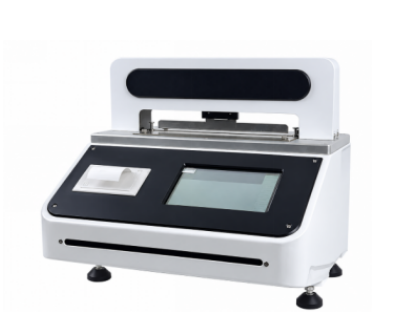
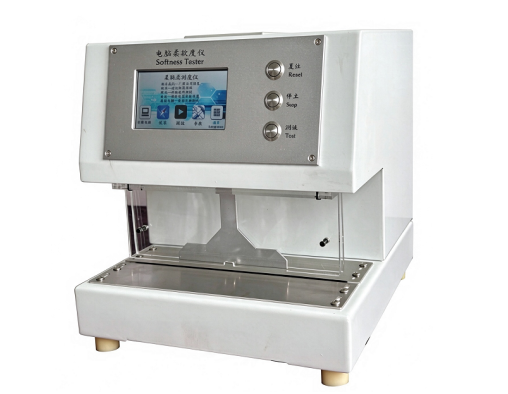
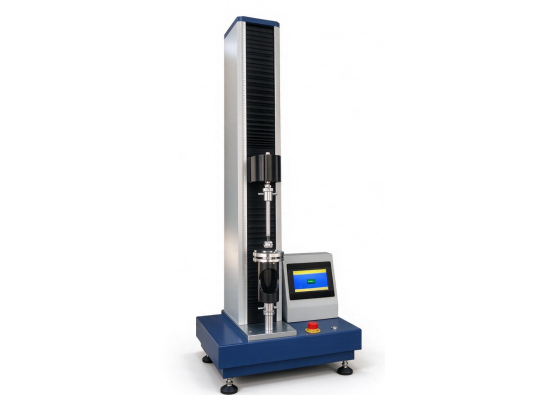
The Textile Bursting Strength Tester is designed to evaluate the bursting strength of fabrics using the steel-ball method. A steel ball pushes against a fabric specimen held by a clamping ring until rupture. The instrument records the maximum force to assess fabric strength and quality.
Application
Woven and knitted fabrics.
Garment and underwear fabrics.
Textile materials for quality inspection.
Rubber- or plastics-coated fabrics, subject to the applicable test method and configuration.
Standards
GB/T 19976-2005 — Textiles — Determination of bursting strength — Steel ball method
BS EN ISO 3303-1:2020 — Rubber- or plastics-coated fabrics — Determination of bursting strength — Part 1: Steel-ball method
Parameters
| Parameter | Specification |
|---|---|
| Maximum Force Range | 2500 N |
| Ball (Push-Rod) Head Diameter | 38 mm / 25 mm |
| Clamping Ring Diameter | 45 mm |
| Force Measurement Error | ±0.5% |
| Rupture Time Error | ±0.01 s |
| Test Speed | 1–500 mm/min |
| Return Speed | 1–500 mm/min |
| Speed Error | Less than 2% |
| Maximum Number of Tests | 200 |
| Tests per Group | 2–30 |
| Data Output | Printable reports with individual results, group averages, and statistical data |
| Power Supply | AC 220 V ±10%, 50 Hz |
| Power | 600 W |
Features
Steel-Ball Testing: Provides a direct method for evaluating fabric resistance to bursting.
Flexible Test Configuration: Interchangeable ball heads accommodate different test methods.
Automated Test Control: Controls the testing and return movements for consistent operation.
Statistical Analysis: Organizes individual results and calculates group statistics.
Report Generation: Provides printable test reports for quality records and comparison.
Maintenance Information
Keep the ball heads and clamping surfaces clean and free from damage.
Check the specimen clamping mechanism before testing.
Inspect moving components regularly for wear or looseness.
Avoid exceeding the rated force range.
Follow the manufacturer’s instructions for calibration and routine maintenance.
If you're ready to take the next step, Leave your message below and we'll reply soon. 20+ years of manufacturing & export experience, a partner you can trust.