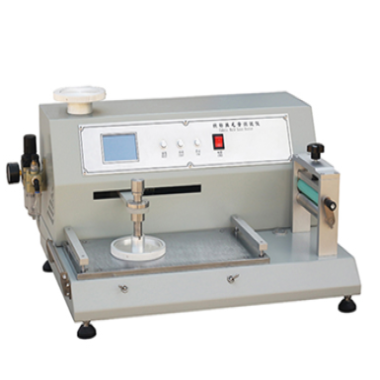
Fabric Fiber Shedding Degree Tester
Category:Other
Introduction
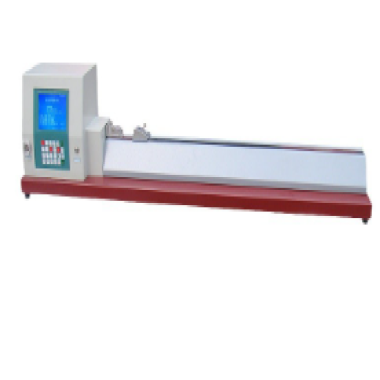
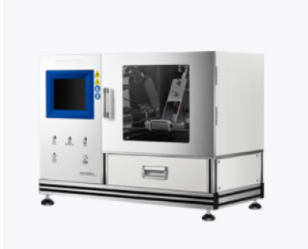
The Fabric Fiber Shedding Degree Tester (Friction) evaluates the degree of fiber shedding in textiles under controlled friction conditions. Widely used in textile factories, research institutes, universities, import/export inspection centers, and quality control laboratories, it ensures reliable and repeatable assessment of fiber loss for woven, knitted, and blended fabrics.
The testing process involves fixing the specimen on the holder while a wet abrasive attached to the friction head performs reciprocating motions under a specified load. Fibers adhering to the abrasive are then compared with standard samples to determine the fiber shedding degree.
Standards Compliance
GB/T 40270-2021 Appendix A – Textile – Determination of fiber shedding degree (Friction method)
ISO 12945-2 – Textiles – Determination of pilling resistance and surface fiber changes – Martindale method
ASTM D1424 / ASTM D3512 – Fiber shedding and abrasion assessment
Key Features
Touchscreen Control: Arbitrary setting of friction cycles for precise operation.
Mechanical Button Backup: Simultaneous use with touchscreen for convenience.
Pneumatic Specimen Holder: Ensures quick and secure installation of fabric samples.
Adjustable Abrasive Moisture: Control fiber roll-off rate via calender adjustment.
Standards Compliance: Fully compliant with GB/T 40270-2021 Appendix A.
Technical Parameters
| Parameter | Specification |
|---|---|
| Stroke of Friction Head | 200 ± 2 mm |
| Reciprocating Speed | 30 cycles/min |
| Friction Head Diameter | 90 ± 1 mm |
| Clamp Ring Dimensions | Outer diameter 120 ± 0.5 mm, Inner diameter 90 ± 0.5 mm |
| Test Washer Diameter | 113 ± 0.5 mm |
| Foam Plastic Washer | Diameter 105 mm, Thickness 8 mm, Unit area mass ~270 g/m² |
| Total Friction Load | 595 ± 7 g |
| Sandpaper | 600-grit aluminum oxide, water-washable |
| Power Supply | AC 220V, 50Hz |
Applications
Textile production quality control
Research and development in fiber technology
Import/export inspection
University and laboratory testing
FAQ
Q1: What types of fabrics can be tested?
A1: All types, including cotton, linen, polyester, blended fabrics, and functional fabrics.
Q2: How is the number of friction cycles set?
A2: Via touchscreen controller, with mechanical button backup for convenience.
Q3: How is repeatability ensured?
A3: Standardized friction heads, consistent load, and adjustable abrasive moisture ensure reliable results.
Q4: Is special maintenance required?
A4: Minimal—clean device, replace worn sandpaper, inspect pneumatic system and touchscreen periodically.
Q5: How are test results displayed?
A5: Displayed on the touchscreen; can be exported to computer or printer for reporting.