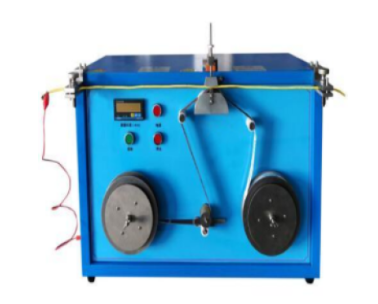
Aircraft wire wear testing machine
Category:Other
Introduction
Product Overview
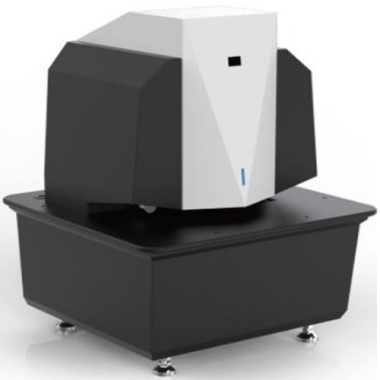
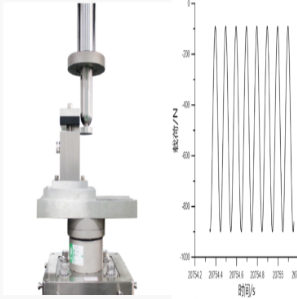
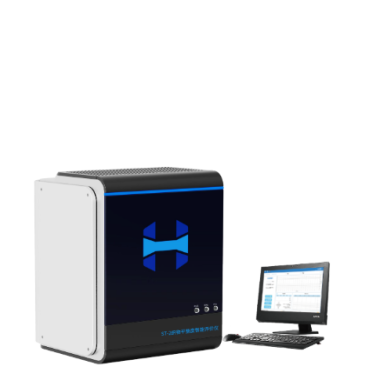
The Aircraft Wire Wear Testing Machine is a specialized instrument designed to evaluate the abrasion and wear resistance of aircraft wires under controlled laboratory conditions. The machine simulates real-world operational wear caused by friction, vibration, and movement, providing accurate data on wire durability and service life. It is widely used in aerospace, defense, and electrical industries to ensure that wiring systems meet strict safety and reliability requirements.
Applicable Standards
The machine is fully compliant with international and military standards, including:
GJB 17.9 – Military Standard for wire testing procedures
MIL-W-81381A – Military specification for aircraft wires
MIL-T-5438 – Military standard for wire insulation and mechanical tests
ISO R1220 – General test methods for electric cables
ISO 1491 – Test methods for electrical conductors
Compliance with these standards ensures that the testing results are reliable, reproducible, and internationally recognized.
Scope of Application
The machine is used for testing insulated wires in aircraft and high-performance electrical systems. It evaluates the wire’s ability to withstand:
Friction and abrasion caused by installation or operational vibration
Contact with guiding surfaces and protective conduits
Long-term wear over repetitive motion cycles
This information is critical for quality control, product development, and safety certification of aerospace wiring systems.
Technical Parameters
| Parameter | Specification |
|---|---|
| Sand belt length counting range | 0 – 9999.9 mm |
| Sand belt walking speed | 1500 mm/min |
| Grinding belt support rounding | F: 0.8 / 1.6 / 4.8 mm; G: 0.4 / 0.8 / 1.6 mm |
| Test voltage | 220V |
| Load support weight | 54 ± 0.5 g |
| Angle between sand belt and sample | 29° |
| Conductive strip width | 6.5 mm |
| Distance between conductive strips | 76 ± 2 mm |
| Sand belt width | 25 ± 0.5 mm |
| Sand belt length | 50 m |
| Sand belt grit | 400# alumina |
| Power supply | 220V / 50Hz |
Typical Applications
Aerospace industry: Testing aircraft wiring harnesses and insulation materials
Defense industry: Validating wiring for military vehicles and aircraft systems
Quality control laboratories: Ensuring compliance with military and ISO standards
Research & development: Material testing and product improvement for high-performance wires
FAQ
1. What types of wires can be tested with this machine?
The machine supports insulated aircraft wires, including copper and copper alloy conductors with standard aviation insulation. It is suitable for wires that require compliance with GJB, MIL, or ISO standards.
2. How is wire wear measured?
The wire is exposed to a sand belt under controlled load, speed, and angle. The abrasion cycles are counted until insulation wear or conductor exposure occurs, providing a quantitative measure of wear resistance.
3. How do I ensure accurate and repeatable results?
Accuracy depends on:
Correct installation of the wire and load weights
Use of standard sand belts (400# alumina)
Maintaining the 29° angle and controlled speed (1500 mm/min)
Environmental consistency, avoiding excessive temperature or humidity changes
4. What are the failure criteria during testing?
A test is considered failed when abrasion penetrates the insulation, causing electrical contact with the conductor. The machine automatically stops, and the number of cycles to failure is recorded.
5. Can the machine simulate real operational conditions of aircraft wires?
Yes, the machine reproduces frictional and abrasive stresses similar to those experienced during wire routing, vibration, and installation. It provides realistic data on insulation durability under expected operational conditions.