Principle and Applications of Tensile Strength Tester
Blog 31 12 月, 2025
The tensile strength tester is a specialized instrument based on the principles of material mechanics, designed to evaluate the mechanical performance of materials under axial tension. By applying a constant-speed tensile load to a specimen until fracture or a predetermined deformation is reached, it measures key parameters such as tensile strength and elongation at break. The data obtained provide essential support for material quality assessment and R&D optimization, making the instrument an important tool in both industrial production and scientific research.
Main Types
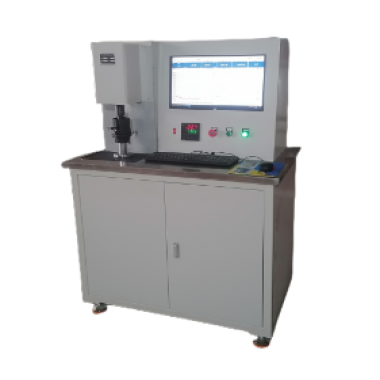
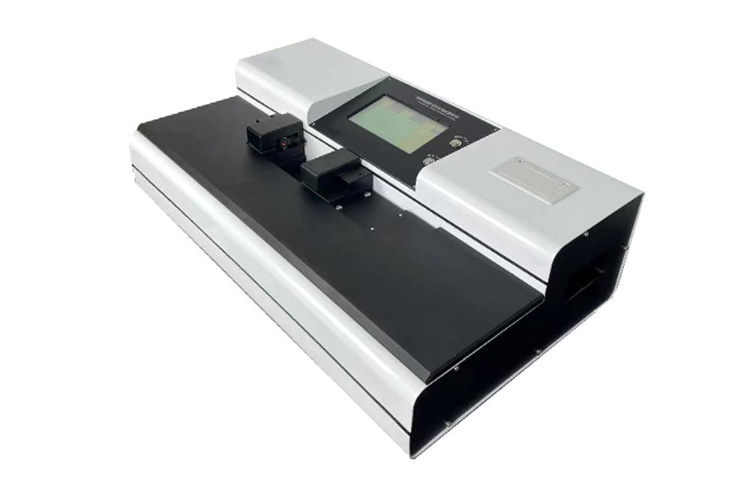
Electromechanical Universal Tester: Driven by a servo motor, it offers high accuracy and ease of operation. It is suitable for testing medium- and low-strength materials such as plastics, films, and textiles, making it commonly used in laboratories and small-to-medium enterprises.
Hydraulic Tester: Powered by a hydraulic system, it provides high load capacity and strong stability. This type is suitable for testing high-strength materials such as metals and construction materials and is widely used in heavy industrial quality control.
Testing Principle
After preparing the specimen according to relevant standards, it is secured in the clamping device. The drive system applies a constant-speed axial load while sensors simultaneously record force and elongation data. Once the specimen fractures or reaches the set condition, loading stops. The data system then calculates tensile strength, elongation at break, and other parameters, generating a comprehensive report.
Applications
Plastics and Rubber Industry: Raw material inspection and formulation development
Packaging Materials: Testing tensile and tear strength of films and paper
Textiles and Leather: Evaluating yarns, fabrics, and leather for tensile strength and elasticity
Metals and Construction Materials: Testing tensile performance of steel, rebar, and other structural materials
Scientific Research: Studying mechanical properties of new materials
Common Issues and Solutions
Data Deviation (Sensor Drift): Caused by lack of calibration, temperature changes, or power fluctuations. Solutions: perform regular calibration, maintain temperature at 15–25°C, and check proper grounding of the power supply.
Slippage in Clamping: Caused by incompatible, worn, or improperly tightened grips. Solutions: replace with dedicated grips, adjust clamping force, or refurbish grip surfaces.
Abnormal Force Curve: Often due to drive system faults or misaligned specimens. Solutions: inspect and repair drive components, reinstall the specimen correctly.
Data Transmission Errors: Caused by loose connections, software compatibility issues, or port problems. Solutions: reconnect cables, update software, or switch ports.
Selection Guidelines
By Material Strength: Electromechanical universal testers for medium- and low-strength materials; hydraulic testers for high-strength materials.
By Testing Scenario: High-precision models for research, standard precision for routine QC.
By Operational Needs: Automated models for batch testing, portable models for field testing.
Additional Considerations: Ensure compatibility with industry standards and balance equipment cost, performance, and after-sales support.
As a core instrument for mechanical testing of materials, tensile strength testers—available in electromechanical and hydraulic models—cover a wide range of material strength requirements. Their scientifically designed tensile testing principles provide accurate measurement of critical mechanical properties, supporting quality control and R&D across multiple industries. Regular maintenance addressing issues such as sensor drift and grip slippage, combined with careful selection based on material characteristics and testing needs, ensures the instrument delivers its full potential in material quality management and technological innovation.