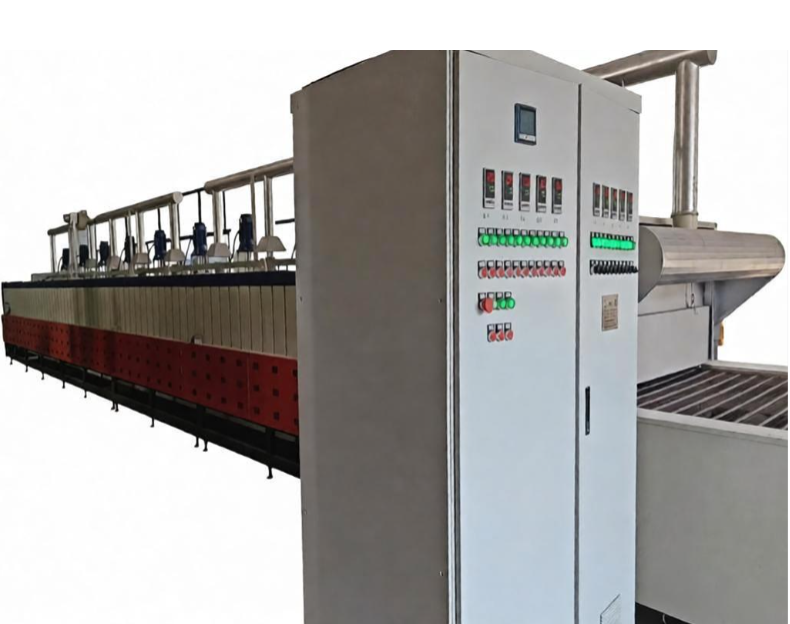
Aerogel Felt Baking Tunnel Oven (550°C)
Category:Tunnel Oven Production Line
Factory Direct
Stable Performance
Intl. Standards
Tech Support
Fast Delivery
Global Shipping

Introduction
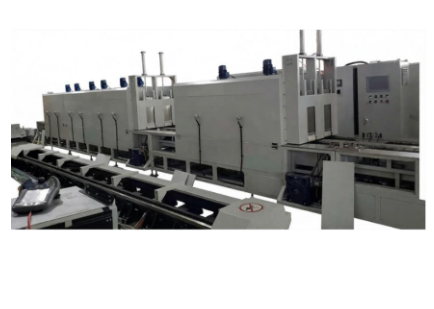
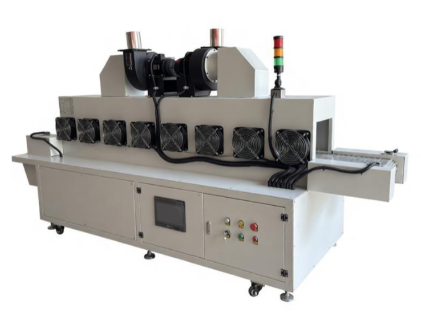
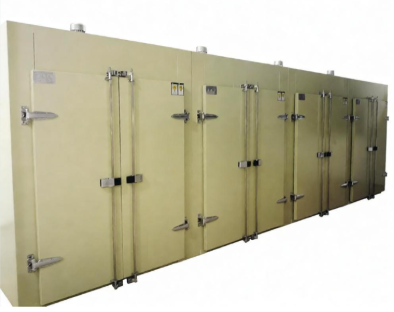
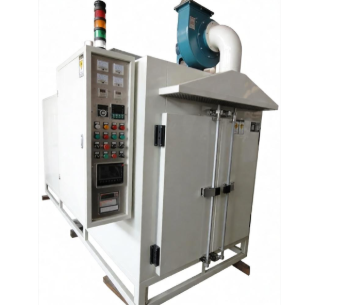
The Aerogel Felt Baking Tunnel Oven (550°C) is a specialized industrial continuous heating system designed for the high-temperature processing of aerogel insulation mats/felts, including continuous cross-linking, modification, aging, solvent evaporation, and high-temperature drying during the manufacturing process.The equipment typically adopts a conveyor belt or mesh chain conveying system and can achieve a maximum operating temperature of 550°C. It is widely used in large-scale continuous production lines for advanced thermal insulation materials.
Core Applications
1. Deep Solvent Evaporation
Used before or after the supercritical drying stage of aerogel production to efficiently remove residual alcohol or organic solvents trapped inside the porous structure.
2. Surface Hydrophobic Modification
At controlled temperatures of 500°C–550°C, the equipment promotes deep thermal reactions between modifying agents and silica sources, ensuring that aerogel felt achieves excellent:
Water resistance
Hydrophobic performance
3. Thermal Stability and Aging Treatment
Through high-temperature curing and heat treatment, internal stress between the substrate (such as glass fiber and ceramic fiber) and aerogel structure is eliminated, improving mechanical stability and long-term performance.
4. Continuous Mass Production
Integrated with aerogel felt production lines to achieve seamless continuous processing from:
Coating
Impregnation
Baking and thermal treatment
Applicable Equipment and Industry Standards
GB/T 34336-2017
Nano-porous Aerogel Composite Thermal Insulation Products
The baking and thermal treatment performance must meet the requirements for:
Thermal conductivity
Hydrophobic rate
Thermal insulation performance
of aerogel insulation products.
GB 5226.1-2019
Electrical Safety of Machinery — Electrical Equipment of Machines
Regulates:
Electrical control systems
High-temperature safety protection requirements
GB/T 30839.1-2014
Energy Classification of Industrial Electric Heating Equipment
Provides guidance for:
Thermal insulation performance
Energy efficiency evaluation
Heat loss control during 550°C high-temperature operation
Explosion-Proof Safety Standards
Such as the GB 3836 series standards
Due to the presence of flammable organic solvent evaporation during baking, the equipment must meet strict explosion-proof and exhaust ventilation requirements.
Core Features
1. Extreme Thermal Insulation Technology
The furnace body adopts specially designed multi-layer high-temperature insulation materials between the outer shell and the 550°C heating chamber, typically including:
Aerogel insulation materials
High-alumina fiber materials
This effectively minimizes heat loss and improves energy efficiency.
2. Precise Temperature Control and Uniform Heating
The equipment adopts:
Multi-zone independent temperature control
Microcomputer PID control
SSR solid-state relay control
High-performance high-temperature long-shaft circulation fans
The forced hot air circulation system ensures that the temperature difference inside the furnace is controlled within ±3°C.
3. Explosion-Proof Design and VOC Exhaust Treatment
The equipment is equipped with:
Independent organic exhaust gas ventilation systems
Solvent concentration monitoring
Alarm linkage systems
These systems prevent combustible gases such as alcohol vapor from accumulating and causing explosion risks during high-temperature processing.
4. High-Temperature Resistant Conveying System
The conveying components, including:
Conveyor chains
Mesh chains
Rollers
are made of high-temperature-resistant stainless steel materials such as:
SUS310S
SUS316L
to ensure long-term stable operation without deformation under continuous 550°C high-temperature conditions.
If you're ready to take the next step, Leave your message below and we'll reply soon. 20+ years of manufacturing & export experience, a partner you can trust.