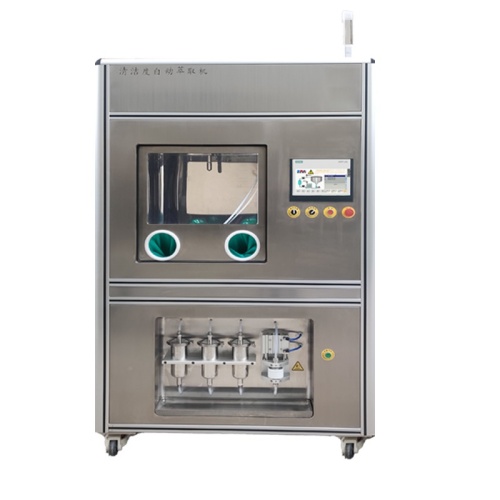
Cleanliness Automatic Extractor
Category:Battery Performance Tester
Factory Direct
Stable Performance
Intl. Standards
Tech Support
Fast Delivery
Global Shipping

Introduction
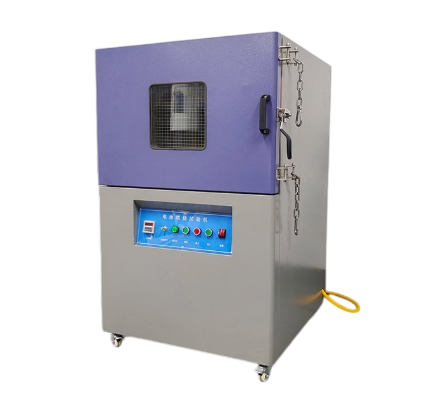
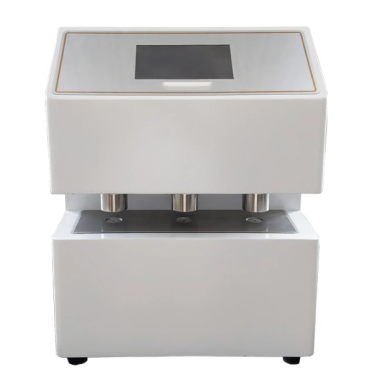
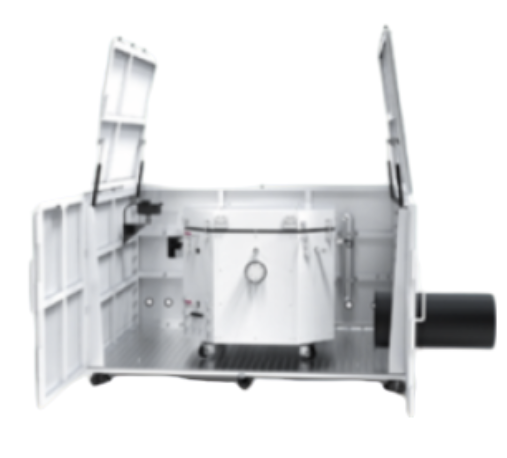
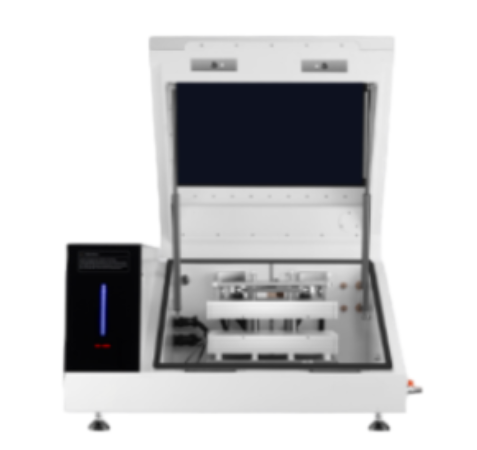
Component Cleanliness Cabinet equipped with cleaning modes such as pressure jet cleaning, perfusion cleaning, spray cleaning, etc., the cleaning agent’s on-line filtration and membrane making, circulating fine filtration and recovery functions realize the synchronous cleaning of parts and the filtration and recovery of particulate pollutants, which can collect the particulate pollutants on the surface of parts to the surface of filter membrane in time, and the filter membrane samples can be obtained after cleaning the parts, thus reducing the retention time of particulate pollutants in the cleaning agent; It subverts the traditional manual cleaning and testing method, standardizes the cleanliness testing process and improves the testing efficiency.
Component Cleanliness Cabinet’s working status is displayed in real time, and the cleaning pressure and flow are adjustable. With different cleaning nozzles, it can quickly and easily clean the inner cavity channels, blind holes, and pollutants on the overall surface of the parts. It is widely used in the cleanliness detection of various auto parts. Particulate matter extraction and sample preparation. Meet ISO16232-2007. VDA19.1. GB/T3821-2005 and other technical cleanliness testing standards and enterprise-defined standards, and meet the extraction and sample preparation of surface particulate matter from major auto parts such as Tesla, Volkswagen, GM, and Ford.
The cleanliness extraction equipment is mainly used to clean the cavity channels, blind holes, and the overall surface of the parts, and complete the extraction of particles.
It meets the international and domestic standards such as 1SO16232-2007. VDA19. GB/T3821-2005. and meets the cleanliness testing standards of Volkswagen, GM, Ford and other major automobile factories. It is widely used in the detection of surface cleanliness of various auto parts. For example: engine cylinder block, cylinder head, gear, crankshaft, connecting rod, camshaft, valve, piston, rocker arm, transmission shaft pin, oil pump, water pump, turbocharger, oil pipe and other parts and assembly cleanliness test.
Standards
ISO16232.VDA19.ISO4406.DIN51455
Application
This equipment comes standard with high-pressure automatic spraying, manual high-pressure washing and high-pressure perfusion cleaning, and is widely used for particle extraction and sample preparation when testing the surface cleanliness of various automobile parts. For example: engine block, cylinder head, gear, crankshaft, connecting rod, camshaft, valve, piston, rocker arm, transmission shaft pin, oil pump, water pump, turbocharger, oil pipeline and other components and assembly cleanliness inspection. You can also add a special ultrasonic cleaning unit for small component and upgrade it to JC1299 Pro Component Cleanliness Cabinet.
Technical parameters
Pressure cleaning chamber size (mm) : 700*600*700
Machine size (mm) : 1250*900*2150
Storage tank capacity (L) : 25
Full color touch screen: Siemens
Three-stage cycle filtration: 0.22um three-stage series cycle filtration
Three-stage filter membrane: one-click automatic clamping, specifications 847mm, 850mm, according to customer custom
Automatic lifting door: one key automatic uniform speed lifting
Special high cleaning pump: special high pressure pump
Cleaning room material: 8K mirror 304 stainless steel
Programmable controller: digital programmable controller
Spray cleaning method: spray pen/spray gun
Cleaning collection pipe: The pipe adopts food-grade internal and external polishing sus304 one-time forming pipe
Accessories
(1)Optional components that enhance the operation of the extractor.
(2)Examples: sample trays, filtration units, tubing, calibration standards, protective covers, and collection containers.
(3)Improve extraction efficiency, measurement accuracy, and adaptability for different sample types.
Maintenance Information
(1)Regularly clean sample trays, tubing, filtration units, and surrounding surfaces to prevent contamination.
(2)Inspect and lubricate moving parts and mechanical components if applicable.
(3)Check sensors, pumps, and electronic connections for proper operation.
(4)Calibrate the system periodically according to manufacturer guidelines.
(5)Replace worn or damaged parts promptly to maintain reliability and performance.
(6)Update software or firmware as recommended to ensure accurate control and data logging.
(7)Maintain detailed records of maintenance, calibrations, and inspections for consistent operation.
FAQ
1. What is a Cleanliness Automatic Extractor used for?
It automatically removes and collects particles or contaminants from surfaces or materials for cleanliness analysis.
2. How does the extractor operate?
Samples are placed in the system, and automated processes such as agitation, washing, or solvent flow extract contaminants, which are then collected for measurement.
3. What types of materials can be tested?
Surfaces, films, coatings, powders, and components in industries like electronics, pharmaceuticals, automotive, and manufacturing.
4. How is test data recorded and analyzed?
Extracted particles are quantified, and data such as particle count and size are displayed digitally, stored, and can be exported for analysis.
5. What maintenance is required for the extractor?
Routine cleaning of trays, tubing, and filtration units, inspection and lubrication of mechanical parts, sensor and pump checks, calibration, and replacement of worn components.
If you're ready to take the next step, Leave your message below and we'll reply soon. 20+ years of manufacturing & export experience, a partner you can trust.