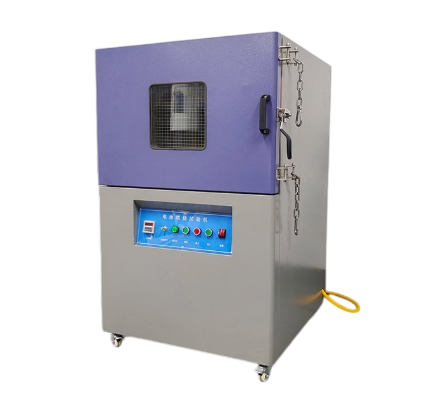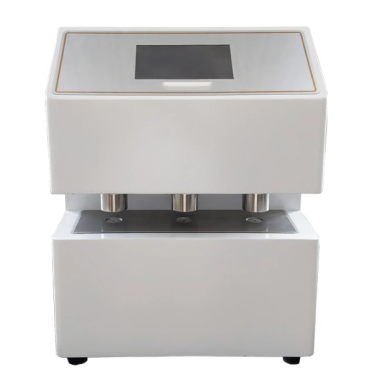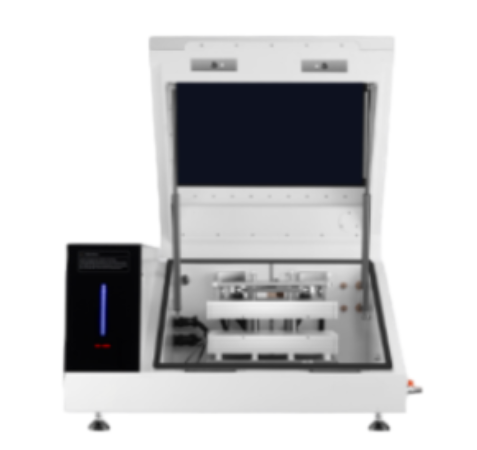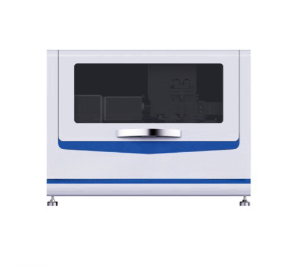
Electrode Electrolyte Wetting Testing System
Category:Battery Performance Tester
Factory Direct
Stable Performance
Intl. Standards
Tech Support
Fast Delivery
Global Shipping

Introduction
The Electrode Electrolyte Wetting Testing System is a high-precision instrument designed to evaluate the wetting behavior of electrolytes on lithium-ion battery electrodes, specifically negative electrode sheets. The system uses in-situ real-time imaging to characterize electrolyte absorption rates and penetration kinetics, providing critical data for battery R&D, quality control, and optimization of electrode compaction and porosity. The instrument ensures stable, repeatable measurements through an advanced vision-based testing system.
Application
(1) Measurement of electrolyte wetting rates on negative electrode sheets of lithium-ion batteries.
(2) Analysis of the effect of electrode compaction on electrolyte penetration and absorption.
(3) Comparison of electrolyte liquid absorption heights for electrodes with varying compaction densities.
(4) Quality assessment and R&D of electrode manufacturing processes to optimize porosity and wettability.
(5) Example Case: Wettability ranking of four electrodes with different compaction densities:
1 (1.35 g/cm³) > 2 (1.5 g/cm³) > 3 (1.6 g/cm³) > 4 (1.65 g/cm³)
Standards
(1) ASTM D724-98 – Standard Test Method for Surface Wettability of Paper (adapted for battery electrodes).
(2) ISO 8296 – Plastics: Determination of Wettability of Film and Sheeting.
(3) DIN 53901 – Testing of Coating Materials: Determination of Contact Angle.
(4) RoHS Compliance – Restriction of Hazardous Substances.
(5) CE Certification – Conformité Européenne.
Parameters
| Parameter | Specification |
|---|---|
| Pressure Control Range | 0–500 g |
| Pressure Resolution / Accuracy | 0.01 g / ±0.3% F.S |
| Single-Pixel Precision | 10 μm |
| Liquid Absorption Capacity | 2 μL |
| Electrode Dimensions | 29 × 29 mm |
Features
(1) High-precision vision testing system ensures stable and repeatable measurements.
(2) In-situ, real-time characterization of electrolyte wetting on negative electrode sheets.
(3) Capable of testing electrodes with different compaction densities to assess porosity effects.
(4) Quantitative analysis of electrolyte absorption and penetration kinetics.
(5) Non-destructive testing preserves sample integrity.
(6) Small-volume electrolyte dispensing (2 μL) ensures precise measurement for micro-scale electrodes.
Accessories
(1) Vision testing camera and lens system with high-resolution imaging.
(2) Electrode sample holders (compatible with 29 × 29 mm samples).
(3) Programmable micropipette for precise 2 μL electrolyte dispensing.
(4) Software suite for real-time wetting rate analysis and curve plotting.
(5) Calibration kits for pressure and imaging accuracy.
(6) Multilingual user manual with maintenance guidelines.
Maintenance Information
(1) Regularly clean sample holders, dispensing system, and camera lens to avoid residue buildup.
(2) Calibrate pressure system and vision system periodically to maintain measurement accuracy.
(3) Inspect mechanical components and connectors for wear or damage before testing.
(4) Keep software and data acquisition systems updated and free from dust or moisture.
(5) Store the instrument in a clean, vibration-free, and controlled environment.
FAQ
1. What is an Electrode Electrolyte Wetting Testing System used for?
It evaluates the wetting ability and absorption behavior of electrolytes on battery electrodes or other porous materials.
2. How does the system operate?
The system applies controlled amounts of electrolyte to the electrode and measures wetting time, contact angle, or absorption rate using sensors or imaging.
3. What types of materials can be tested?
Battery electrodes, fuel cell membranes, porous coatings, and other materials requiring electrolyte interaction analysis.
4. How is test data recorded and analyzed?
Wetting time, contact angles, and absorption data are recorded digitally, displayed on the interface, and can be exported for analysis.
5. What maintenance is required for the system?
Regular cleaning of sample holders, dispensing tips, and measurement surfaces; inspection and calibration of sensors; and periodic software updates.
If you're ready to take the next step, Leave your message below and we'll reply soon. 20+ years of manufacturing & export experience, a partner you can trust.