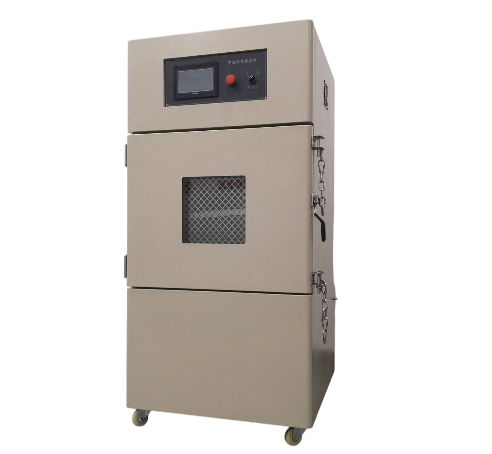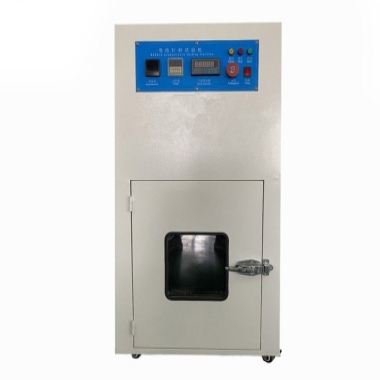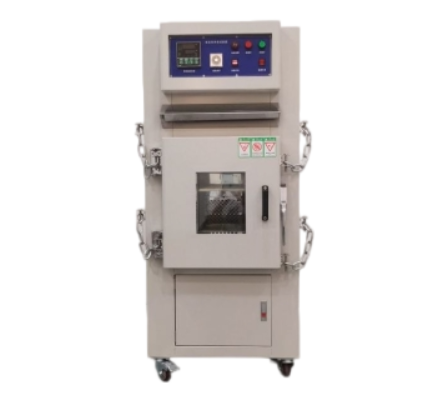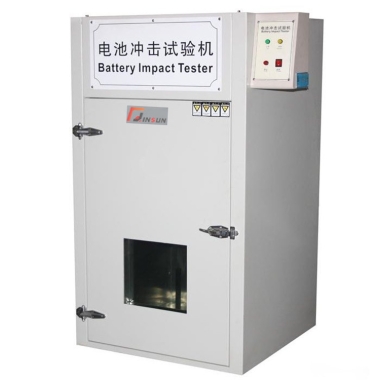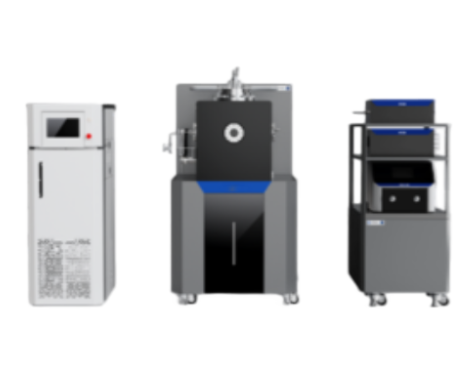
Multiphase High-Temperature and High-Pressure Explosion Limit Tester
Category:Battery Safety Tester
Factory Direct
Stable Performance
Intl. Standards
Tech Support
Fast Delivery
Global Shipping

Introduction
The Multiphase High-Temperature and High-Pressure Explosion Limit Tester is an instrument developed based on standards such as EN 1839, ASTM E918, ASTM E2079, EN 15967, and UL9540A to test combustion and explosion characteristics. This instrument can test combustion and explosion characteristics such as explosion limits, limiting oxygen concentration, explosion pressure, and pressure rise rate.
Applications
1. Petrochemical Industry: Explosion risk assessment of fuels, solvents, and multiphase chemical raw materials
2. New Energy Storage: Thermal runaway/explosion risk detection of battery-related multiphase materials (compliant with UL 9540A standard)
3. Chemical Industry: Safety characteristic (explosion/flammability limits) testing of various multiphase chemicals
4. Materials Science: Flammability/explosion limits determination of multiphase materials under high temperature and high pressure environments
Standards
EN 13938-2: Respiratory Protective Equipment for Firefighters – Part 2: Positive Pressure Respirators (PPR) for Firefighting and Rescue Services
STANAG 4490: NATO Standardization Agreement 4490 – Jet Fuels – Requirements and Test Methods
MIL-STD-1751AMethods 1031, 1032 & 1033: Military Standard 1751A – Test Methods for Electrical and Electronic Equipment Used in Aircraft- Method 1031: Vibration Test- Method 1032: Shock Test- Method 1033: Temperature Cycle Test
EN 13763-13: Explosives for Civil Uses – Part 13: Thermal Stability Test – Accelerating Rate Calorimetry (ARC)
Technical Parameters
| Operating Environment | (-5 to 45)°C, <95%RH |
| Test Vessel Temperature Control Range | Room temperature to 200°C |
| Configuration Gas Maximum Pressure | Supports one atmosphere, ±0.1%FS |
| Test Vessel Design Pressure | ≥2.0MPa |
| Explosive Pressure Sensor | ≥5.0MPa, linear ±1.0%FS |
| Explosive Pressure Acquisition System Sampling Frequency | ≥5kHz |
| Explosive Pressure Acquisition System Single Experiment Data | ≥10.000 cycles |
| Gas Input Channel | 3 channels |
| Maximum Stirrer Speed | 400rpm, speed adjustable |
Features
1. Designed with a modular concept to flexibly meet various testing requirements.
2. Allows for free editing of the experimental process to cater to different testing needs.
3. The testing container is made of 316L stainless – steel, which is corrosion – resistant.
4. It adopts a jacket temperature – control method, featuring high temperature – control efficiency.
5. The constant – temperature conditions can be flexibly set, balancing efficiency and accuracy.
6. Equipped with a high – efficiency vacuum pump, and the cleaning parameters can be set to fully eliminate residual effects.
7. With a precision measurement and control system and a compensation gas – mixing algorithm, it enables precise control of gas concentration.
8. It has a stirring function to ensure the uniformity of the mixed gas.
9. It uses a pressure sensor specially designed for explosions, which can work at high temperatures and has good dynamic performance.
10. Automatic control of gas samples, including automatic vacuum – pumping, automatic gas – mixing, and automatic stirring. 11. The equipment has a safety interlock function to enhance safety.
12. Multiple safety protections such as safety valves and burst discs effectively ensure the safety of experimenters.
Accessoriess
1. Modular functional components (adaptable to different testing needs)
2. 316L stainless steel corrosion-resistant test container
3. Jacketed temperature control component
4. High-efficiency vacuum pump
5. Gas mixing device
6. Explosion-proof high-temperature pressure sensor
7. Precision gas mixing system (including compensation mixing algorithm)
8. Automatic gas sample control component (automatic vacuuming and mixing module)
9. Safety interlock functional components
10. Safety protection accessories (safety valve, rupture disc)
FAQ
1. What is a Multiphase High-Temperature and High-Pressure Explosion Limit Tester used for?
It determines the explosion limits and flammability characteristics of gases, vapors, or multiphase mixtures under extreme temperature and pressure conditions.
2. How does the tester operate?
The system subjects the sample to controlled high-temperature and high-pressure conditions, then introduces ignition to measure the explosion or flammability limits safely.
3. What types of materials can be tested?
Gases, vapors, aerosols, and multiphase mixtures used in chemical, petroleum, and industrial processes.
4. How is test data recorded and analyzed?
Explosion limits, pressure rise, and ignition behavior are recorded digitally, displayed on the interface, and can be exported for further analysis.
5. What maintenance is required for the tester?
Regular cleaning of the test chamber, inspection of sensors and pressure vessels, calibration of measurement devices, checking safety systems, and software updates as recommended.
If you're ready to take the next step, Leave your message below and we'll reply soon. 20+ years of manufacturing & export experience, a partner you can trust.